


Views: 0 Author: Site Editor Publish Time: 2026-05-04 Origin: Site


Modern packaging serves a dual role in the cosmetics industry. It acts as a structural necessity for chemical preservation. It also functions as a critical driver of brand equity. Industry experts forecast the packaging market size will reach $14.2 billion by 2025. Evaluating packaging goes beyond basic aesthetics for brand owners and product managers. You must balance visual ambition against supply chain feasibility, unit economics, and shelf-life compliance.
We will provide an evidence-based analysis of current design trends. You will discover the latest material innovations shaping the competitive landscape. We will also detail the technical criteria needed to transition a concept into a scalable, market-ready product. Navigating these elements ensures your product protects the formula while captivating the consumer.
Strategic packaging decisions directly impact shelf life (preventing up to a 40% reduction in longevity) and consumer perceived value.
Optical-grade glass remains the standard for luxury, but structural innovations are shifting toward "design for disassembly" and mono-material caps.
High-end execution relies on micro-sensations—such as weight distribution, tactile coatings, and precisely engineered dispenser acoustics.
Moving from concept to production requires a stringent SOP covering capacity planning, material testing, and 3D prototyping.
Visual appeal directly influences buyer behavior at the retail level. Ipsos data shows excellent design creates a 45% lift in perceived value. Furthermore, 64% of consumers trial new products simply because they find the aesthetic appealing. Customer acquisition relies heavily on these initial visual impressions. A carefully designed Fragrance Bottle elevates a standard formula into a premium lifestyle accessory.
Structural integrity protects your delicate formulas constantly. We call this the hidden return on investment. Poor construction hurts your bottom line immediately. Lacking UV-resistant coatings degrades shelf life rapidly. Missing opaque finishes or airtight seals can reduce longevity by up to 40%. Proper chemical preservation requires uncompromising structural choices. You cannot sacrifice function for pure visual flair.
Shapes dictate market positioning long before a consumer tests the scent. Physical geometry communicates your brand identity silently on the shelf. Sharp geometries communicate an avant-garde, highly modern identity. Soft curves feel approachable and often suggest warm, floral notes. You must align physical dimensions seamlessly with your core brand message.
Bottle Shape Profile | Primary Brand Positioning | Expected Scent Profile |
|---|---|---|
Sharp Angles & Rectangles | Modern, Avant-Garde, Bold | Woody, Oriental, Leather |
Soft Curves & Teardrops | Approachable, Feminine, Classic | Floral, Fruity, Powdery |
Minimalist Cylinders | Gender-Neutral, Clinical, Niche | Aquatic, Clean, Citrus |
Heavy Vintage Cut-Glass | Heritage, Timeless, Luxurious | Rich Amber, Spicy, Classic Chypre |
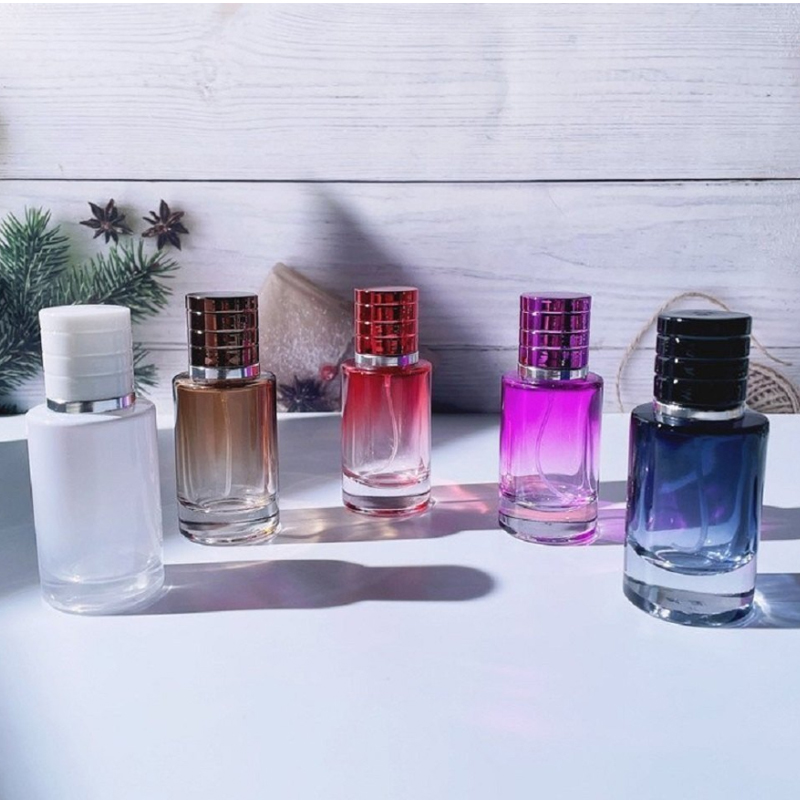
Minimalism leads the current market under the banner of "quiet luxury." This shift emphasizes extreme restraint. Brands rely heavily on pristine, high-transmittance materials rather than loud colors. A premium glass fragrance bottle requires strict manufacturing specifications. It needs less than 0.005% iron content to avoid a green tint. It also demands over 95% light transmittance. Designers combine these pure materials with subtle textures. Popular execution methods include 3D-printed transparent logos or elegant blind embossing on the label.
Sculptural and artistic silhouettes transform vessels entirely. They move beyond serving as mere containers. They become collectible vanity objects. Consumers proudly display these unique pieces in their homes long after the scent is gone. This strategy builds lasting brand loyalty through interior design integration.
Vintage-inspired elegance leverages archival elements to build instant trust. Ornate glasswork communicates a sense of timelessness. Heavy bases and classic typography convey rich heritage. These specific design cues attract buyers seeking enduring, sophisticated aesthetics over fleeting trends.
Bold and playful geometries disrupt retail shelf uniformity. Unconventional shapes grab immediate attention in crowded environments. Oversized, whimsical caps appeal heavily to Gen-Z and millennial demographics. They reject traditional seriousness in favor of fun, expressive, and highly shareable packaging.
Evaluating design requires both physical touch and careful listening. Micro-sensations matter immensely during consumer interaction. The tactile friction of a stone-coated finish creates distinct emotional responses. Contrast this against the smooth chill of polished, premium glass. Every texture tells a different story about your brand positioning.
Hardware execution separates standard products from true luxury items. You must critically evaluate your fragrance spray bottle mechanics. High-end hardware requires specific, engineered auditory cues. The satisfying "click" of a magnetic closure reassures the user. The precise "whoosh" of the atomizer signifies mechanical quality. Controlled-release scent systems deliver the perfect mist volume every single time.
Supply chain tricks create luxury perception without adding excessive shipping weight. You can manipulate weight and proportion illusions cleverly. Widening the bottle shoulder adds visual mass on the shelf. Adding internal base thickness forges a heavy, premium feel in the hand. You achieve luxury aesthetics while maintaining highly practical logistics.
To master the sensorial experience, follow this specific evaluation protocol:
Acoustic Testing: Measure the sound profile of the cap snapping into place. It must sound solid, not hollow.
Actuation Resistance: Evaluate the push-force required for the pump. It must glide smoothly without catching or stuttering.
Mist Distribution: Analyze the spray pattern against a dark backdrop. The dispersion must remain fine and uniform, without producing large droplets.
Tactile Grip: Ensure the surface finish provides enough friction to prevent the vessel from slipping during daily use.
The industry is moving rapidly toward a "design for disassembly" philosophy. Brands abandon glued, multi-material components quickly. They adopt versatile screw-neck pumps instead. Mono-material caps enable true consumer-end recycling. These structural changes satisfy strict environmental mandates while keeping the user experience intact.
Bio-based alternatives offer pragmatic, scalable solutions. Manufacturers apply plant-based bio-plastics derived largely from sugarcane or cornstarch. Natural stone and sustainably harvested wood elements replace synthetic decorative parts. These deliberate material choices resonate strongly with eco-conscious buyers who scrutinize ingredient labels and packaging alike.
Connected packaging weaves a digital layer into the physical vessel. Smart designs utilize NFC chips embedded within the caps seamlessly. QR integration and variable data printing enable micro-personalization on a mass scale. They drive post-purchase engagement effectively. Crucially, they achieve this connectivity without cluttering the pristine exterior design.
Moving from an initial concept to mass production requires strict protocols. Align your target volume with specific use cases during early capacity planning. Travel sets, gifting items, and discovery kits typically use 10–30ml formats. Standard luxury products require 50–100ml volumes. Established market staples utilize 150ml or larger containers.
Volume Capacity | Primary Use Case | Packaging Focus |
|---|---|---|
10ml - 30ml | Travel, Discovery, Gifting | Durability, Leak-prevention, Portability |
50ml - 100ml | Standard Luxury Retail | Sensorial details, Weight, Shelf-presence |
150ml+ | Established Staples, Refills | Ergonomics, Pourability, Material efficiency |
Rigorous 3D modeling remains an absolute necessity. You must test the center-of-gravity digitally before cutting custom steel molds. Digital rendering reveals critical ergonomic flaws early. It highlights potential structural weaknesses before costly manufacturing mistakes happen on the production line.
Address supply chain risks proactively during development. Custom tooling costs require careful budgeting upfront. Minimum order quantities (MOQs) affect your cash flow heavily. Lead times for specialized surface treatments fluctuate often. You must account for extended delays in processes like electroplating, laser engraving, or custom gradient coloring.
Follow strict shortlisting logic when evaluating potential packaging partners. Demand verifiable glass purity metrics. Insist on reviewing their robust leak-testing protocols. Verify their in-house capability for secondary decoration. A fragmented supply chain introduces unnecessary quality control risks.
A successful fragrance vessel marries brand storytelling with uncompromising functional protection. Beautiful designs mean absolutely nothing if they fail to preserve the chemical formula. Strategic material choices enhance the user experience while ensuring compliance with modern environmental standards.
Decision-makers must audit their current or proposed designs carefully. Evaluate your manufacturability thoroughly before finalizing expensive molds. Align your structural choices against global sustainability mandates. Ensure your final product meets target audience interaction expectations. Taking these precise steps guarantees a successful, scalable market launch.
A: UV-treated glass combined with airtight dispensers provides the ultimate protection. Opaque or tinted glass blocks harmful light naturally. You must use crimped or high-quality screw-top dispensers to prevent premature oxidation. This structural integrity prevents the formula from degrading rapidly over time.
A: Sourcing a stock glass vessel with custom labels takes only a few weeks. Developing proprietary molds extends the timeline significantly. Custom tooling, 3D prototyping, and specialized surface treatments require several months of lead time before mass production can safely begin.
A: Focus heavily on the atomizer spray pattern to ensure a fine, even mist. Test the anti-leakage locking mechanisms rigorously under pressure. Finally, evaluate the tactile resistance of the pump. It should depress smoothly and offer premium, satisfying acoustic feedback.
A: Brands use heavy-weight PCR (post-consumer recycled) glass to maintain physical heft. They incorporate high-end screw-neck refill mechanisms. Applying premium finishes on sustainable bio-polymers ensures the tactile experience remains luxurious while satisfying stringent environmental mandates perfectly.


